What Is a Light Blue Memphis Background Gradient—and Why Does It Matter?
At first glance, a light blue Memphis background gradient might sound like a niche design term—perhaps something reserved for graphic designers or web developers. But in reality, it’s a quietly powerful visual tool with growing relevance across digital interfaces, branding, education, and creative expression. Whether you're building a landing page, designing an app icon, crafting a presentation slide, or simply choosing a calming wallpaper for your tablet, understanding this subtle yet distinctive aesthetic can elevate both function and feeling.
The Origins: Memphis Design Meets Modern Color Science
The “Memphis” in light blue Memphis background gradient refers not to the city—but to the Memphis Group, an influential Italian design collective founded in 1980 by Ettore Sottsass. Known for bold geometry, playful patterns, and clashing colors, Memphis design was a radical departure from the minimalism of mid-century modernism. Though its peak popularity faded by the late 1980s, its spirit has resurged—not as literal checkerboards or squiggles, but as a design philosophy: joyful, human-centered, and unafraid of expressive color.
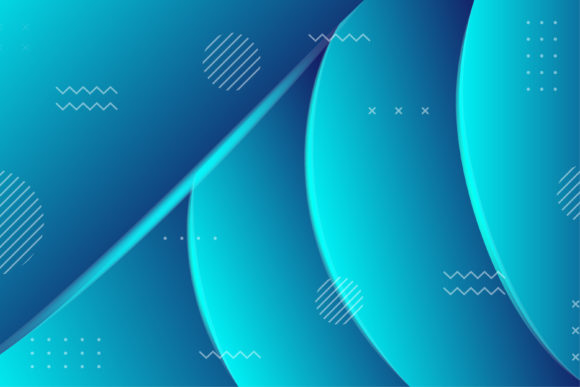
A light blue Memphis background gradient honors that legacy while adapting it for today’s needs. Rather than saturated neons, it uses soft, airy blues—think sky at dawn or frosted glass—blended smoothly across a surface. The gradient itself often features gentle transitions (e.g., #e6f4ff → #b3d9ff → #80c1ff) and may incorporate subtle geometric overlays or texture hints inspired by Memphis motifs—without overwhelming the viewer.
Why Light Blue? The Psychology Behind the Hue
Light blue isn’t chosen arbitrarily. Research in color psychology consistently links it to calmness, clarity, trust, and openness. Unlike stark white (which can feel sterile) or deep navy (which may read as formal or heavy), light blue offers visual breathing room—ideal for interfaces where users need focus without fatigue.
- Educational platforms use it to reduce cognitive load during long study sessions.
- Health and wellness apps adopt it to evoke serenity and safety.
- Collaboration tools (like shared whiteboards or project dashboards) apply it to encourage open communication and creative flow.
When combined with Memphis-inspired energy—through rhythm, asymmetry, or gentle layering—the result is a background that feels both soothing and stimulating, grounded yet imaginative.
How It Works in Practice: Real-World Applications
You don’t need to be a designer to benefit from understanding how a light blue Memphis background gradient functions. Its versatility makes it useful across disciplines:
Web & App Design
In responsive design, this gradient serves as more than decoration—it improves visual hierarchy. A softly graded light blue background subtly draws attention to centered content (like a call-to-action button or headline) while maintaining accessibility. Because it avoids high contrast, it meets WCAG 2.1 guidelines for text legibility when paired with dark gray or charcoal typography.
Example: A fintech startup launching a budgeting app might use a light blue Memphis gradient behind its onboarding screen—not to shout, but to signal approachability and forward-thinking simplicity.
Presentations & Digital Learning
Slides filled with dense bullet points often trigger disengagement. Introducing a light blue Memphis background gradient creates a cohesive, low-stress canvas that supports visual storytelling. When paired with clean sans-serif fonts and minimalist icons, it reinforces clarity without sacrificing warmth.
Teachers using interactive whiteboards or LMS dashboards report improved student focus when backgrounds avoid pure white glare—especially under classroom lighting. The gradient diffuses brightness while retaining professionalism.
Branding & Identity Systems
Modern brands increasingly move away from rigid logos and monochrome palettes. A light blue Memphis background gradient can become part of a brand’s dynamic identity system—appearing differently across devices, contexts, or campaigns while preserving emotional resonance.
For instance, a sustainable fashion label might rotate subtle Memphis-style wave or zigzag textures within a consistent light blue gradient—communicating movement, renewal, and optimism without repeating the same static image.
Common Misconceptions—Clarified
Before adopting or evaluating this style, it helps to clear up frequent assumptions:
- “It’s just another trendy background.” While aesthetics evolve, the light blue Memphis gradient responds to real user needs: reducing eye strain, supporting inclusivity, and reinforcing brand voice. Its staying power lies in function—not just fashion.
- “Gradients are hard to implement.”
Not anymore. Modern CSS (e.g.,
background: linear-gradient(135deg, #e6f4ff, #80c1ff);) makes it simple. Tools like Figma, Canva, and Webflow include intuitive gradient editors—even non-coders can customize stops, angles, and opacity in seconds. - “Memphis means ‘busy’ or ‘cluttered.’” Today’s interpretation embraces restraint. A true light blue Memphis gradient prioritizes intentional simplicity: perhaps one delicate diagonal line, a faint dot grid, or a whisper of layered transparency—not chaos.
Getting Started: Tips for Thoughtful Use
If you’re curious about integrating this concept into your own work, begin with these practical steps:
- Start with accessibility: Test your gradient against text using free tools like WebAIM Contrast Checker. Ensure all critical content maintains at least a 4.5:1 contrast ratio.
- Limit texture complexity: One subtle element—a fine line, soft ripple, or spaced geometric repeat—is enough. Overlayering defeats the purpose of calm clarity.
- Match intent to tone: Use cooler light blues (#cce6ff) for tech or healthcare; warmer variants (#d1e8ff) for education or creative services.
- Consider motion: In micro-interactions (e.g., hover states or loading screens), animate the gradient shift slightly—this adds polish without distraction.
Looking Ahead: Beyond the Background
The rise of the light blue Memphis background gradient reflects a broader cultural shift: we’re valuing human-centered design more than ever. As AI tools generate visuals at scale, what sets meaningful interfaces apart isn’t complexity—it’s intentionality, empathy, and quiet confidence.
This gradient isn’t merely decorative. It’s a bridge between legacy and innovation—between the rebellious joy of 1980s Memphis and today’s demand for digital spaces that nurture rather than exhaust. Whether you're a student customizing a Notion workspace, a small business owner updating your website hero section, or a developer optimizing a dashboard theme, choosing this background signals care—for your audience, your message, and the experience of being seen.
So next time you encounter a soft, luminous blue surface with just a hint of rhythm beneath it, pause—not just to admire its elegance, but to recognize the thoughtful design thinking it represents. That’s the quiet power of the light blue Memphis background gradient: simple on the surface, deeply intentional underneath.